
How to Protect Your Home From Termites: Complete Guide
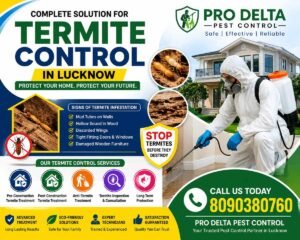
How to Protect Your Home From Termites
Termites may be small, but they can cause significant damage to wooden furniture, doors, cupboards, flooring and other parts of a property. Because termites often remain hidden, an infestation may continue for a long time before homeowners notice visible damage.
The good news is that homeowners can take several steps to reduce the risk of termite infestation. Regular inspection, moisture control, proper maintenance and professional termite control in Lucknow can help protect your property.
What Attracts Termites to Your Home?
Termites are attracted to sources of food, moisture and shelter. Some common conditions that can increase the risk of termite activity include:
- Damp areas around the property
- Leaking pipes and taps
- Moisture near foundations
- Wood stored directly on the ground
- Wooden structures in contact with soil
- Cracks and gaps around the property
- Poor drainage
- Accumulated wood, cardboard or other cellulose-based materials
Keeping these areas clean and dry is an important part of termite prevention.
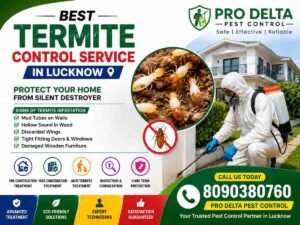
10 Ways to Protect Your Home From Termites
1. Keep Your Home Dry
Moisture can create favourable conditions for termites. Repair leaking pipes, taps and drainage problems as soon as possible.
Pay particular attention to bathrooms, kitchens, basements, balconies and areas around the foundation.
2. Inspect Wooden Furniture Regularly
Check wooden doors, cupboards, furniture, window frames and other wooden structures for signs of damage.
Look for:
- Hollow-sounding wood
- Small holes
- Cracked or damaged wood
- Mud tubes
- Discarded termite wings
- Doors or windows that become difficult to open
Early detection can make termite treatment easier.
3. Avoid Direct Contact Between Soil and Wood
Where possible, avoid situations where untreated wooden materials are directly connected to soil. Such contact can provide termites with easier access to wooden structures.
4. Fix Water Leaks Quickly
A small leak can create persistent moisture in hidden areas. Regularly inspect plumbing under sinks, bathrooms and other areas where water may accumulate.
5. Keep Your Property Well Ventilated
Good ventilation can help reduce unnecessary moisture. Make sure areas such as storage rooms and other enclosed spaces have adequate airflow.
6. Remove Wood and Cardboard Waste
Do not allow piles of old wooden items, cardboard boxes or other cellulose-based materials to accumulate around your property.
Store firewood and wooden materials away from the house and, where practical, keep them elevated from the ground.
7. Seal Cracks and Gaps
Inspect walls, foundations, doors and windows for cracks or gaps. Sealing suitable entry points can reduce potential pathways for pests.
8. Maintain Proper Drainage
Water should drain away from the property rather than collecting near walls or foundations.
Poor drainage can contribute to persistent moisture and may increase the risk of pest problems.
9. Schedule Regular Termite Inspections
A termite infestation can remain hidden for months. Regular inspections can help identify potential problems before extensive damage occurs.
This is particularly important for older properties and buildings with significant wooden structures.
10. Contact a Professional Termite Control Company
If you notice signs of termite activity, professional assessment is recommended rather than relying only on household sprays.
A professional pest control company can assess the affected areas and recommend an appropriate treatment based on the property and infestation.
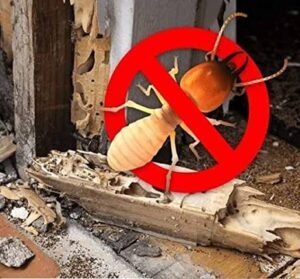
Signs Your Home May Have Termites
Knowing the warning signs can help homeowners act early.
Common signs include:
Mud tubes: Termites may create mud-like tubes along walls, foundations or other surfaces.
Damaged wood: Wood may become hollow, weakened or damaged from the inside.
Discarded wings: Swarmers may shed their wings after emerging.
Small holes: Tiny openings in wooden surfaces may indicate termite activity.
Bubbling or damaged surfaces: Paint, flooring or other surfaces may appear uneven or damaged when termite activity occurs underneath.
If you notice one or more of these signs, consider arranging a professional inspection.
DIY Termite Control vs Professional Treatment
Homeowners may find many termite-control products in stores, but treating visible termites does not necessarily address the entire infestation.
Termites can remain hidden inside walls, soil, wooden structures or other inaccessible areas.
Professional termite treatment can help identify the source and extent of the problem and determine the appropriate treatment approach.
For an established infestation, professional termite pest control in Lucknow may be a more suitable option than relying solely on DIY methods.
Termite Control in Lucknow
Lucknow homes and commercial properties can experience different types of pest problems depending on construction, moisture, landscaping and property conditions.
If you live in areas such as Vibhuti Khand, Gomti Nagar or nearby parts of Lucknow, regular property maintenance and timely pest inspections can help reduce the risk of termite-related damage.
Why Choose Pro Delta Pest Control?
If you suspect termite activity in your home or business, Pro Delta Pest Control can be contacted to discuss your termite control requirement.
Before booking any treatment, ask about:
- The type of termite problem
- Areas that need inspection
- Recommended treatment
- Preparation required before treatment
- Safety precautions
- Follow-up requirements
- Treatment coverage
Contact Pro Delta Pest Control
Pro Delta Pest Control
Termite Control Services – Lucknow
Phone: 8090380760
If you notice mud tubes, damaged wood, discarded wings or other signs of termites, don’t wait for the damage to become extensive. Contact a professional pest control service for an assessment.
Frequently Asked Questions
How can I protect my house from termites?
Keep your property dry, repair leaks, maintain good drainage, remove wood waste, inspect wooden structures regularly and arrange professional termite inspections when necessary.
What is the first sign of termites?
Possible early signs include mud tubes, damaged or hollow-sounding wood, discarded wings and small holes in wooden structures.
Can termites damage a house?
Yes. Termites feed on cellulose-containing materials and can damage wood and other building materials over time.
Is DIY termite control effective?
DIY products may help with limited surface-level problems, but an established infestation can be difficult to identify and treat completely without professional assessment.
When should I call a termite control company?
Contact a professional if you see mud tubes, damaged wood, termite wings, repeated termite activity or other signs of an infestation.
Where can I get termite control in Lucknow?
Homeowners in Lucknow can contact Pro Delta Pest Control at 8090380760 to discuss their termite control requirements.